Lunar Independence Day
Will our space settlements ever declare independence?

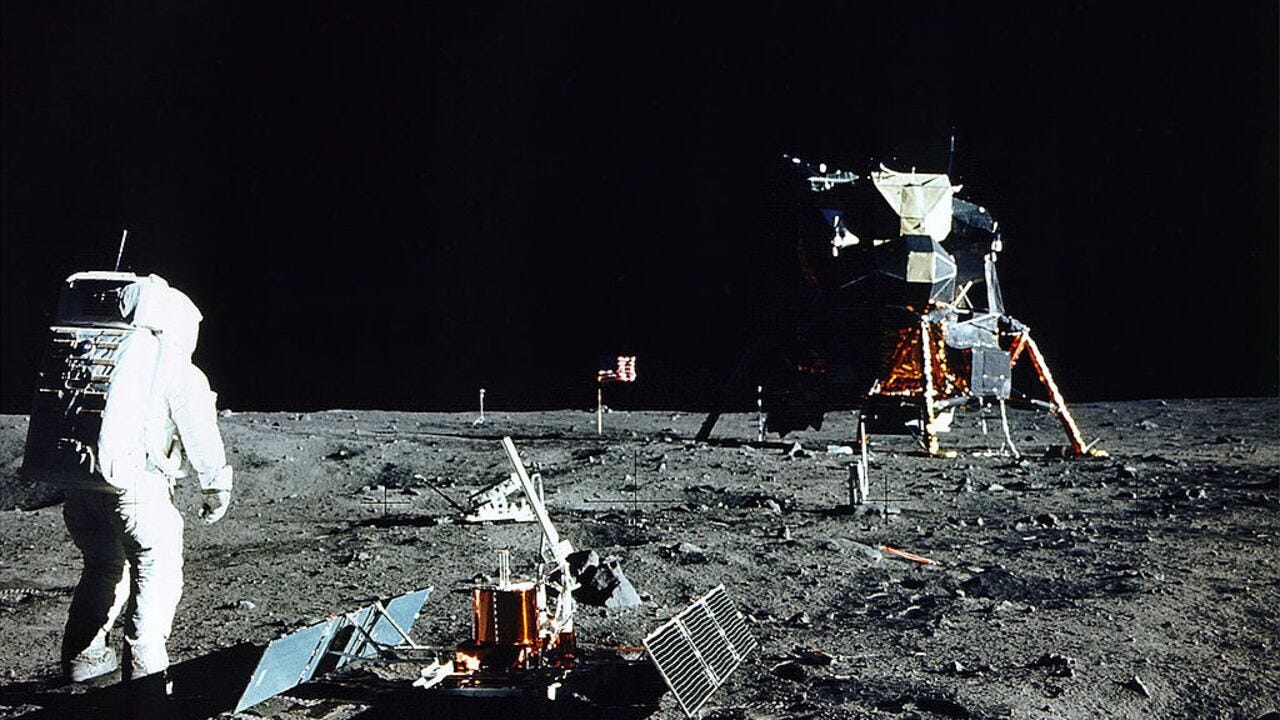
America’s 250th year of independence arrives. As space settlements prosper, will we see them proclaim - and maintain - independence?
Separating from King George’s England was possible because the newly United States were able to support themselves in absence of the former government. Self sustaining colonies may be possible off world, but require sufficient resources, population, and motivation.
Tobacco & Titanium
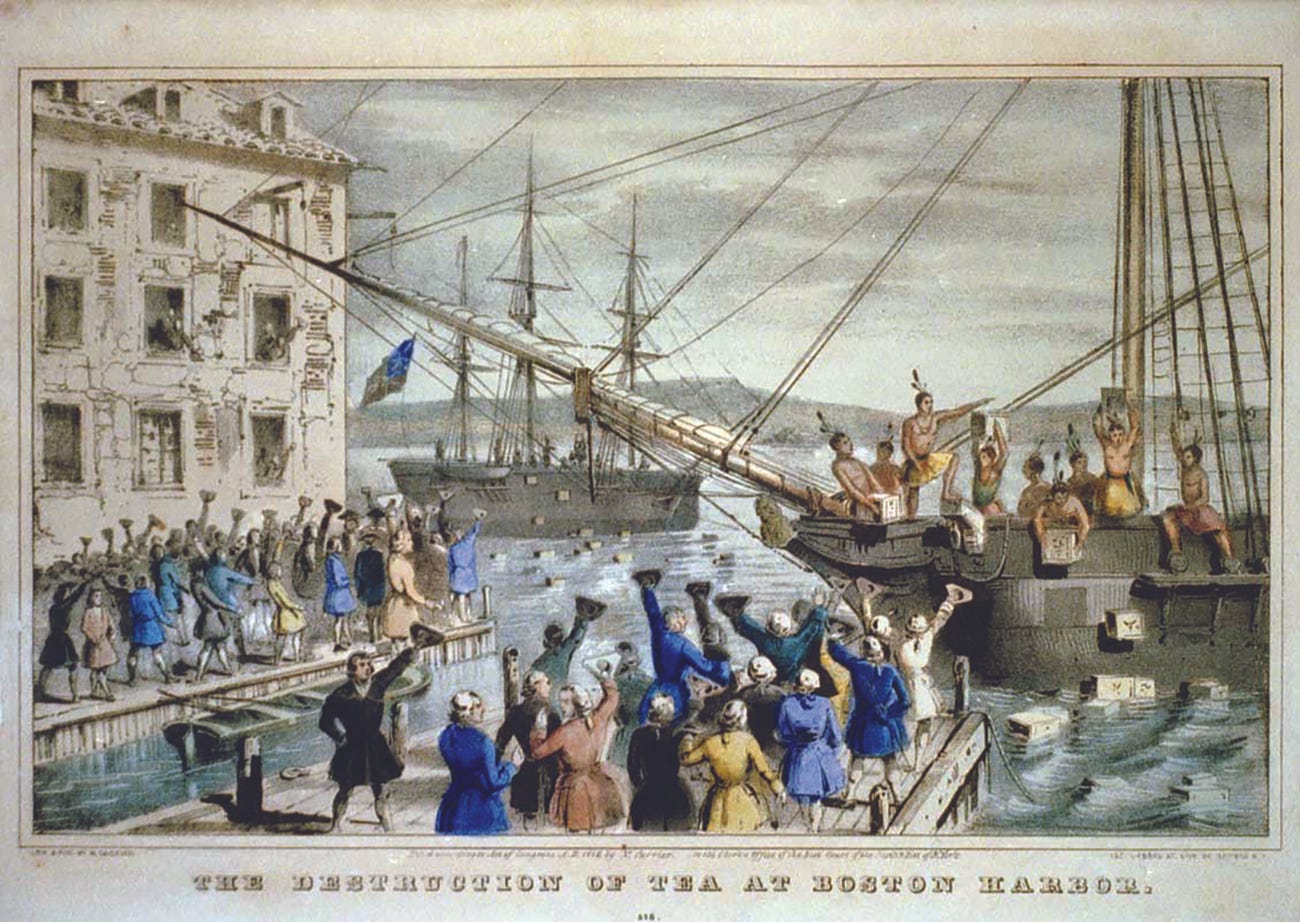
In the case of the Thirteen Colonies, there was enough wealth from local resources and exploitation for discontent to arise. They shipped timber, textiles, and tobacco back across the Atlantic, and interest grew in preserving more of each for North America. The eastern seaboard of the now United States is rich in natural resources, and was fertile ground for agriculture as well as revolution.
“Taxation without representation is tyranny.” ~James Otis Jr.
Lunar colonies may emerge around the extraction of water. Water would be necessary for survival, food processing, propellant manufacturing, and other industrial processes we require.
Without a sustainable extractive system of water, the viability of a lunar colony plummets. If however, an abundance of water can be extracted from the frozen regolith, it may be a source of wealth for the generations.
A Lunar water well would serve the crews on and around the moon more easily than Earth could. The moon’s lower gravity allows more mass to be lifted off for the same amount of propellant. A local economy of water-boys may be the first generator of wealth beyond Earth - alongside interest in keeping the profits.
People of Luna
The population of settlers and their descendants in the Thirteen Colonies grew from thousands to millions between 1600 and 1800. Due to racialized census practices and societal segregation, this value likely excludes the indigenous and enslaved populations. A revolution much earlier than 1776 may have lacked the colonialist population to support it: Be them soldiers, workers, bureaucrats, or others who could benefit from an independent state. While independence may not be a consensus decision, it requires some minimum group to continue the functions of a society.
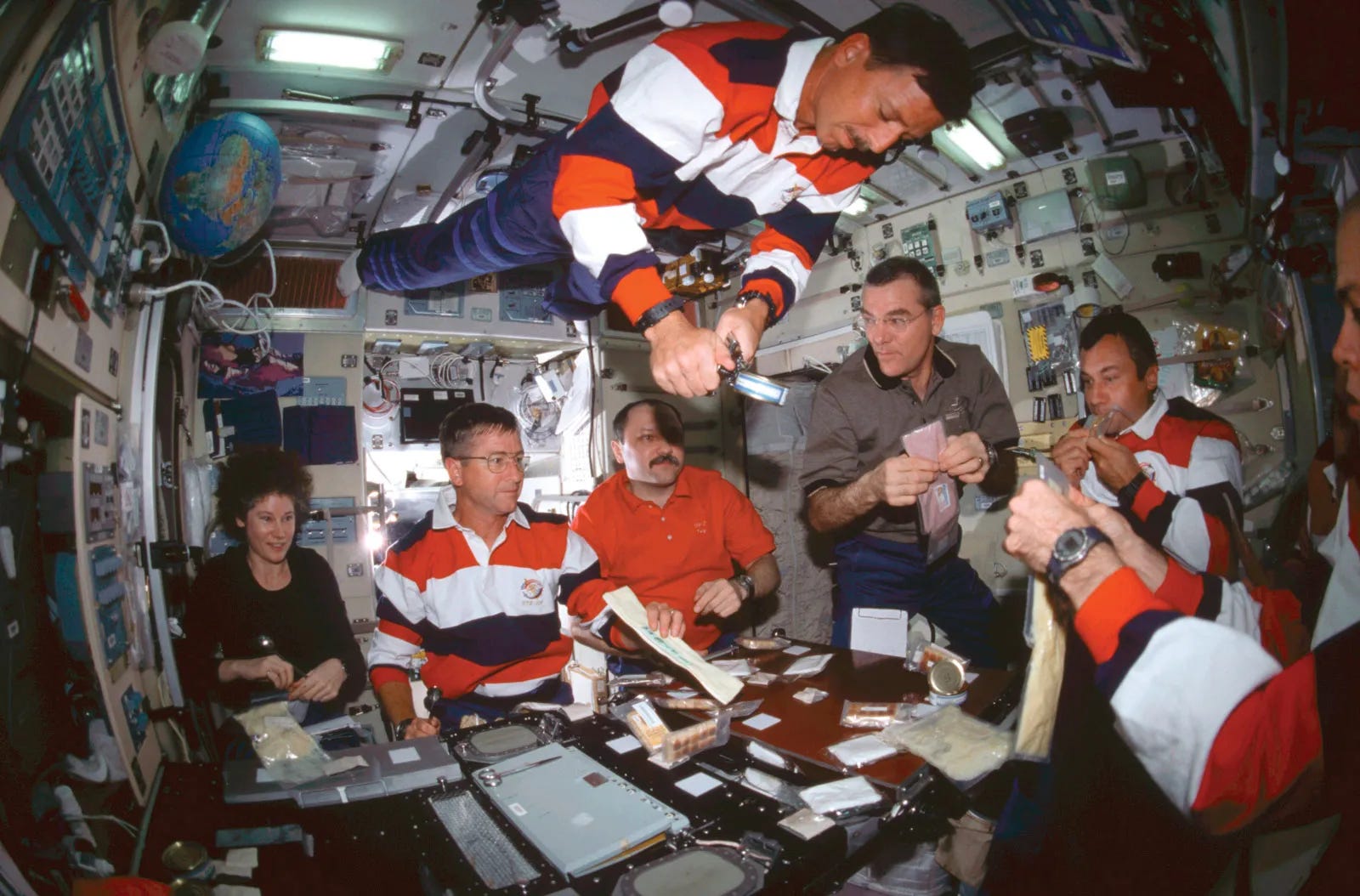
The current Lunar population is zero. The transient population aboard the International Space Station fluctuates between its bare minimum 2 and its all time high 13. In the coming years of Moon Base, I expect Lunar populations to mirror that of the ISS, with no permanently settled individuals for many decades.
“When we are planning for posterity, we ought to remember that virtue is not hereditary.” ~Thomas Paine
A permanent population of hundreds on the moon is a possibility for the back half of our current century. Provided there are resources sufficient to sustain them (be them local or flown in from Earth), habitation is within our grasp.
Like the Thirteen Colonies, two hundred years may have a radical effect on the Moon’s population. Our needs (food, water, healthcare, shelter) are the same on and off Earth; I pray the next generation of engineering marvels will provide these for all.
Motivation in Rights & Wrongs
Opposition to tyranny is an admirable motivation, regardless of the century. History of colonization is filled with stories of extraction and subjugation, but they do not start and end therein. As industrial interests rise in space exploration, the heavens will not be exempt from our lesser natures.
Astronauts today are venerated as brave explorers; will the rig workers of crater water extractors be treated the same in 2076? The ethical treatment of humans is not limited to beneath our atmosphere, and we should not forget to fight for it when we leave.
“To suppress free speech is a double wrong. It violates the rights of the hearer as well as those of the speaker.” ~Frederick Douglass
Any movement has fragmented champions and dissenters. My homes of Alberta and Quebec both speak up for independence from Canada. While I endorse neither, dialogues of separation may last decades. Economic motivations can come alongside ones of identity and cultural determination. These calls will one day come from our Lunar outposts, and also not unanimously.
Freefall
The century of space colonization dawns. There are myriad questions ahead, and not all will be answered by science. Like any of our settlements, Lunar societies may prosper in resources, fail in morals, or champion liberty. Virtue is not built into rocket engines, nor coded into silicon; it is borne only by people who want tomorrow brighter than today.
May we build a future for all; on every world.
“My country is the world, and my religion is to do good.” ~Thomas Paine