

Red Planet Blues
Will personality become an engineering decision?

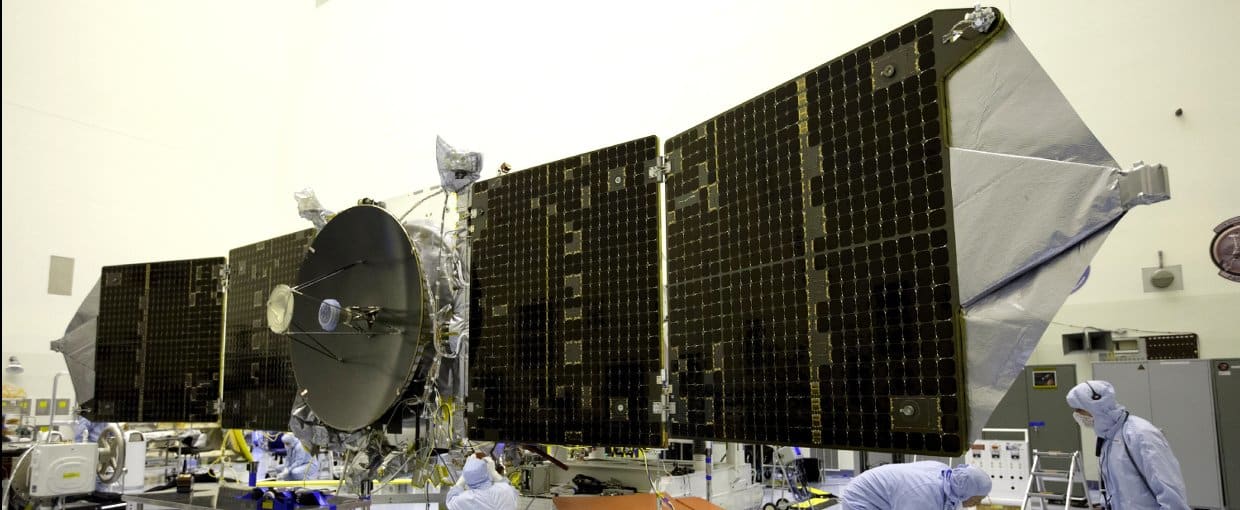
On Earth’s Wednesday, the Martian spacecraft Maven ended its decade-long mission. Since losing contact in December, attempts to restore it had remained unsuccessful. There is no crew aboard Maven, so it was a farewell to the machine alone. Maven did not write a sappy goodbye message to Earth nor a snarky remark; but, might a future mission do so?
Asking For Directions
It takes our signals on average 12 minutes to reach Mars - driving a rover message-by-message is a tedious process. For this reason, every generation of spacecraft embarks with more autonomy over its exploration. A rover which can make a decision without waiting for Earth can cover a lot more ground in a day. Deciding which rock to look at next could get heated amongst geologists back home, so the rover may be better off flipping a coin.
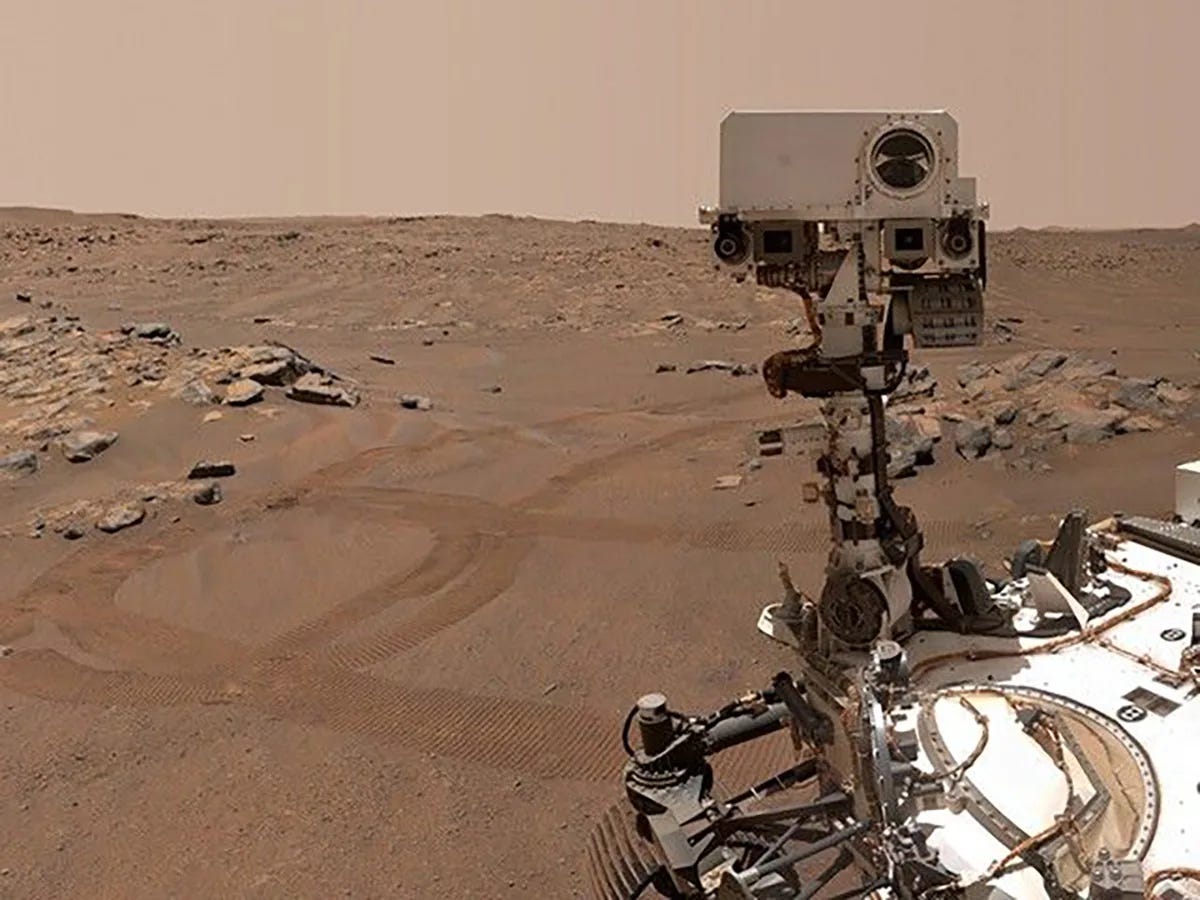
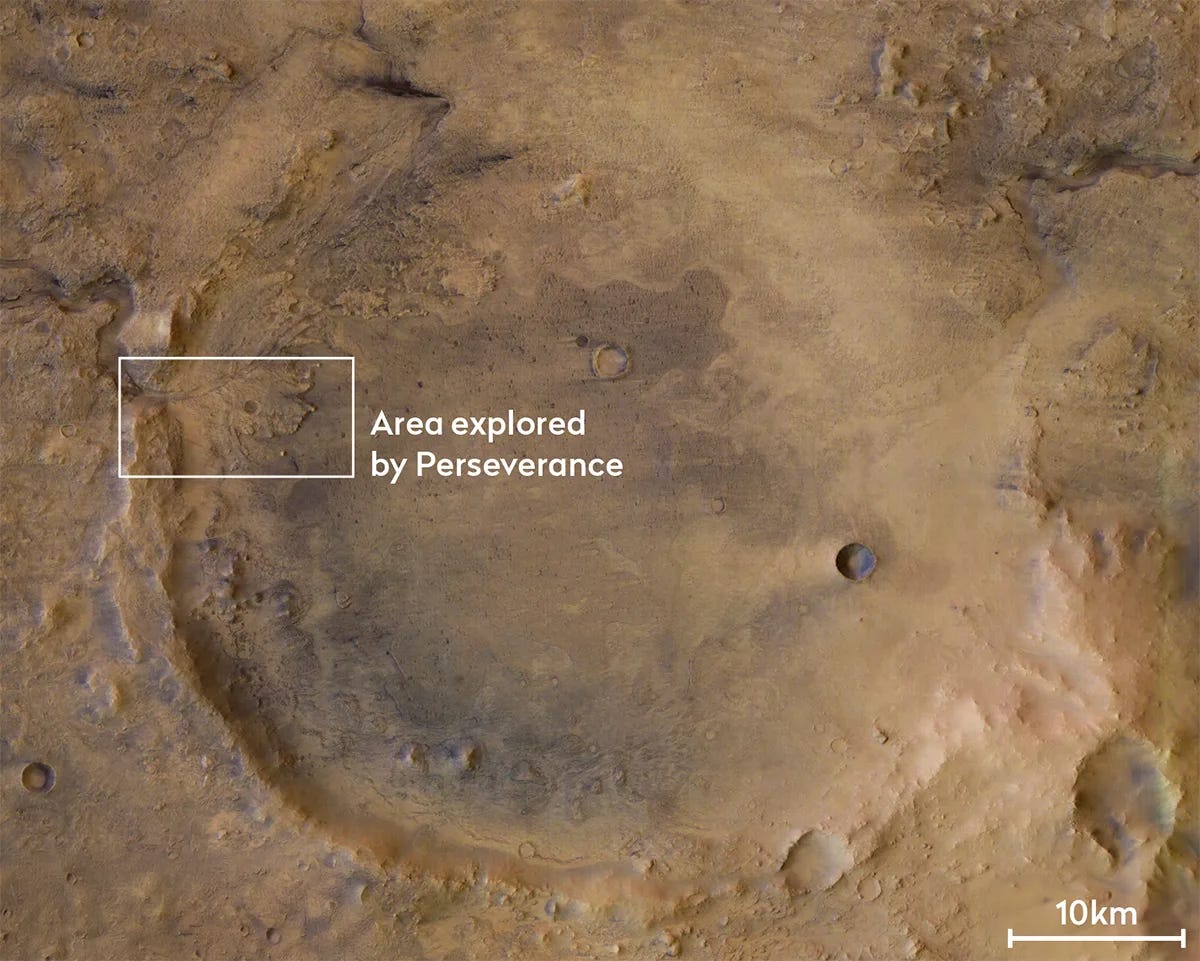
The Perseverance rover arrived at Mars in 2021 and has been exploring Jezero crater. In December of 2025, the rover (“Percy”) performed its first fully autonomous drive. Scooting over 200 metres (a pretty long drive for such a robot), the rover navigated its own path across the Martian surface using cameras and a software patch.
Engineers assign these values to machines, both numerically and behaviourally.
Sibling Rivalry
Emerging from the mess of weights and variables of the navigation algorithm is risk-taking behaviour. For Percy, a hole is hazardous and should be avoided lest they get stuck. A small slope might be doable, while a steep cliff a crisis. Deciding the difference is a critical calculation.
I learned to ski growing up, and am certainly much more cautious than my brother. What is steep to me is not so for him, and the speed of our descent seldom matches. The risk-taking algorithm in my brain weighs the slope differently than his does, and makes a different decision.
These robots are extensions of ourselves, in radio and spirit. Their decisions - past and future - rise from the values we teach them.
Best Behaviour
My brain in Percy’s place would have gone half the distance on that December day. With my brother’s, perhaps triple. Neither is necessarily better (although siblings will tend to disagree). Engineers assign these values to machines, both numerically and behaviourally.
Behaviour from such algorithms may emerge in other ways. A rover with an abundance of curiosity may stop and turn over every rock along the path. A contemplative space telescope could watch the sky for weeks, sending only short messages back to Earth when we got worried about it. A daredevil spacecraft mapping Jupiter’s storms may take closer and closer high altitude dives into the atmosphere - despite Mission Control discouraging it.
Farewells to Friends
While we are fond of personifying our machines, there was no voice in Maven to say goodbye. We have emotions nonetheless: Melancholy, bittersweetness, and pride. Our creations have done great things in the cosmos, and we have the right to all manner of feelings.
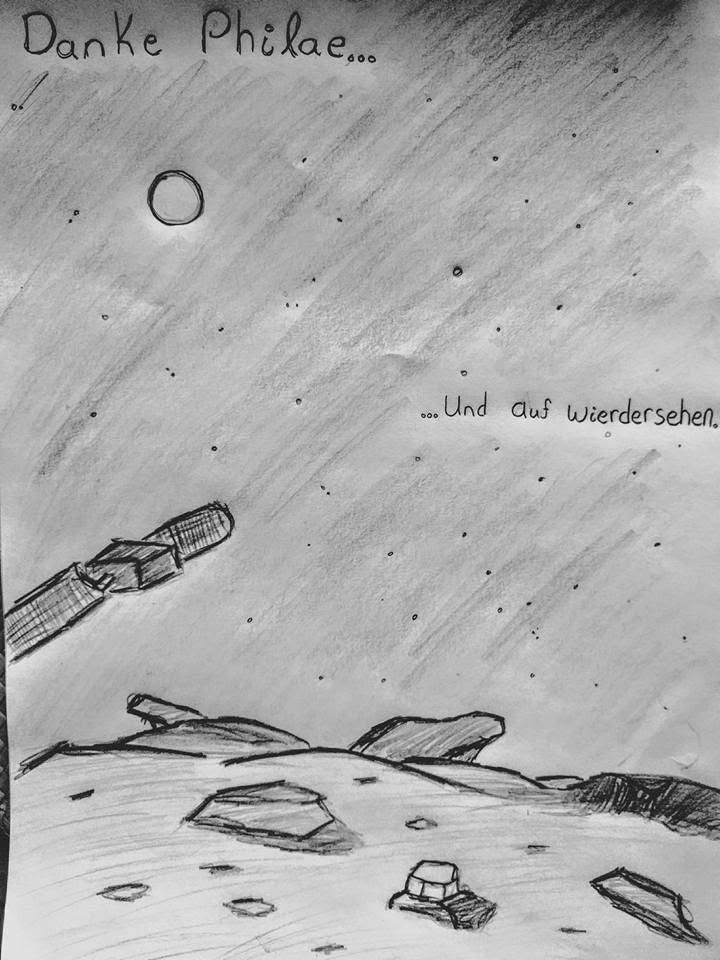
In 2017, I had the fortune at the European Space Agency to say farewell to Philae, the short-lived cometary lander. While I was not a contributor to the project (more so the lunchroom), the team sent Philae their final transmission with heavy hearts and high heads.
With the loss of Maven, our connection to Mars grew slightly weaker on Wednesday. The same occurred in 2019 when the rover Opportunity closed its cameras for the final time. These robots are extensions of ourselves, in radio and spirit. Their decisions - past and future - rise from the values we teach them.
Farewell, Maven, and to all the explorers before you. May the next be braver still.
I expect future Mars and other rovers will have a lot more AI capabilities so these machines can make decisions on their own. Often, all that's needed is a decision vs. the absolute best decision. With every generation we learn more. It will be interesting to see what the future brings.