Robot as Astronaut
Of humans in space, will there be a last?

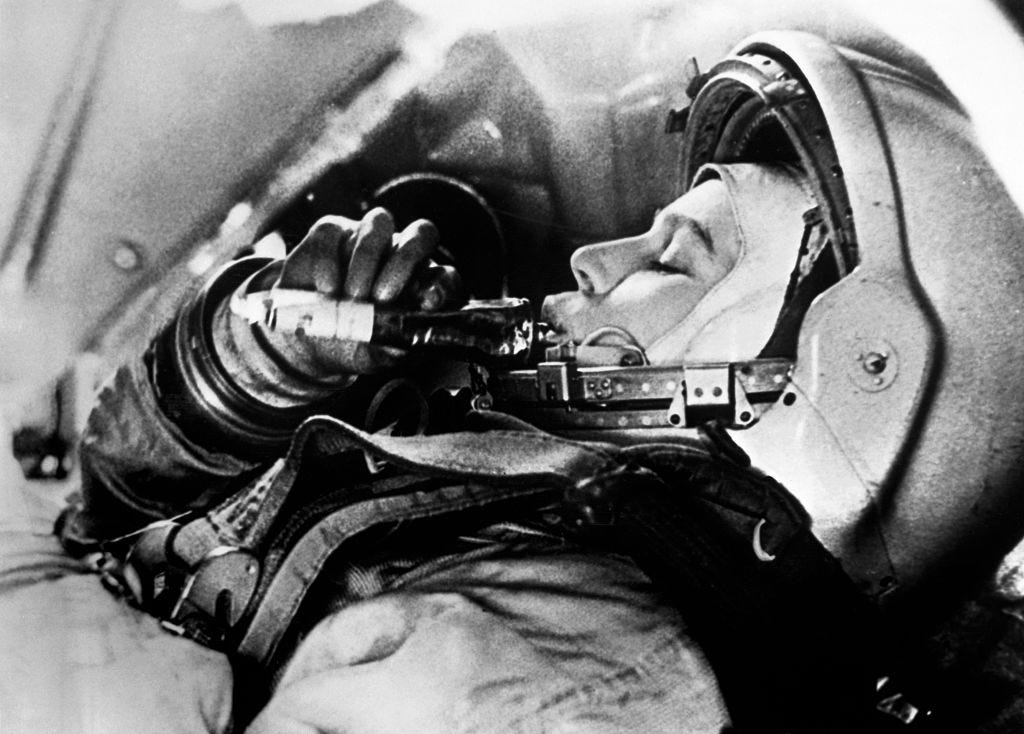
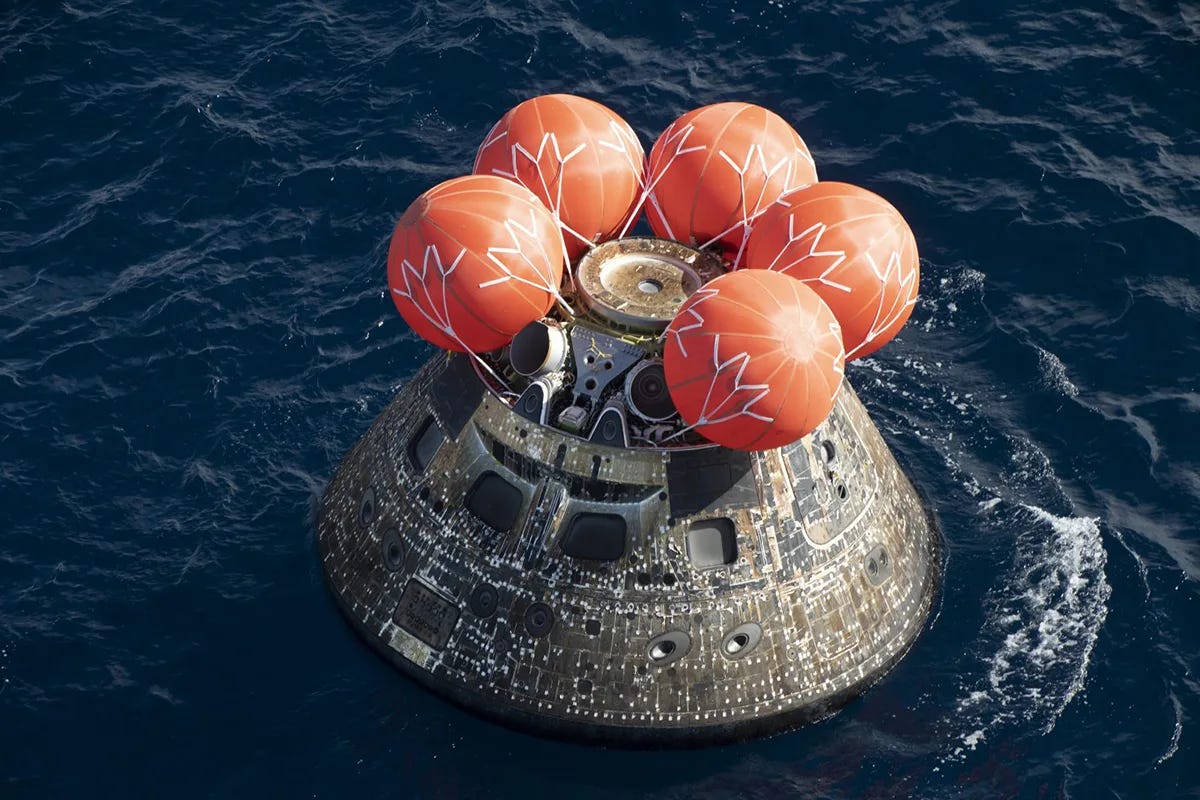
The hazards of human spaceflight are myriad: the hungry vacuum of space, the pulverizing g-forces of acceleration, and extreme temperatures hostile to Earthlings. The successful return therefore of the Artemis II astronauts was met with cheers and sighs of relief from around our planet. As space travel becomes routine, could robot astronauts replace humans on future missions?
Robotic space probes and rovers have been our exclusive means of exploration beyond the Earth moon system. Lacking the needs of atmosphere and food, these purpose-built robots have held stays in places utterly inhospitable to humans. While human presence in outer space increases, so will the capability of robotic crew mates.
From the fiery proximity of the sun to the frigid orbit of Saturn, our robots have seen vistas we may not witness for many decades.
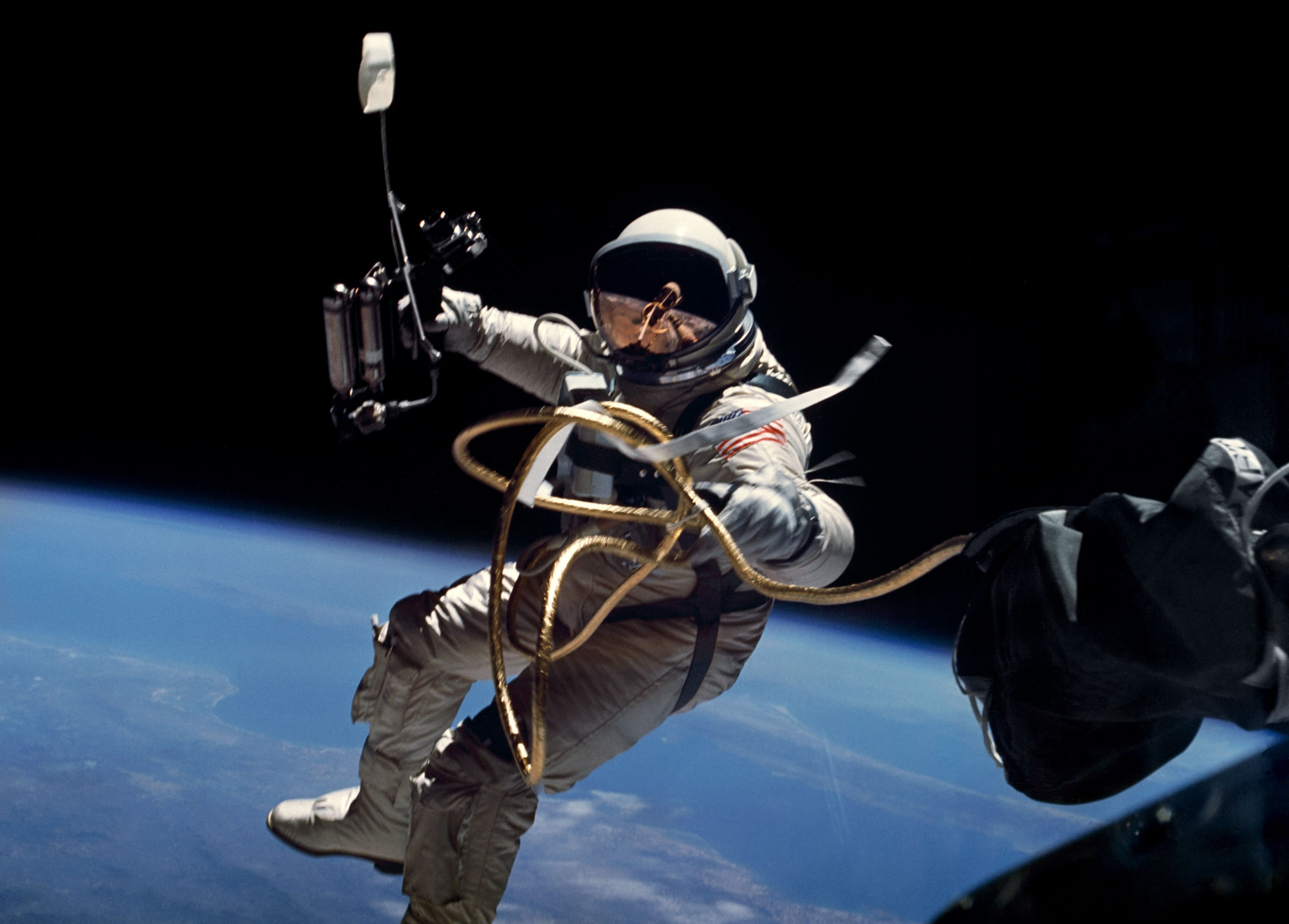
The lunar swings of 150°C require incredible insulation to endure, requiring spacesuits that are feats of engineering in themselves. Our ambassadors of steel and silicon can do without these suits, and do not need an Earth-like atmosphere to function. In vacuum or the sulphurous clouds of Venus, a robotic astronaut accomplishes its mission without the bulky life support systems that weighs down their human counterparts.
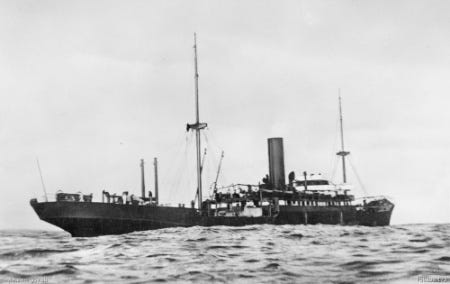
Journeys through space are as long for humans as for robots. The speeds of our vessels are limited by the propulsion methods, not the composition of the crew. The one-way voyage to Mars alone is nine months with no stops along the way. Submarine tours in the ocean depths can be close to this duration. While not impossible to endure, these journeys are motivated by military or security activity in our era. During the first world war, the German vessel SMS Wolf stayed a record setting 15 months at sea. Without combat as a motivator, will humans undertake these voyages routinely in outer space?
As we imagine exploration to the outer solar system, the journey lengthens to years.
As our tenure in space lengthens, settlements will still need supplies from Mother Earth. For the majority of resupply milk-runs in our future, it will not be necessary to have a human crew aboard. We already conduct uncrewed resupply missions to the International Space Station, automating this for future outposts is well within our grasp. Could automation of entire lunar outposts be possible?
As we imagine exploration to the outer solar system, the journey lengthens to years. The New Horizons probe took eight years to reach Pluto and had no return trip to consider. At one tenth of an eighty-year life, this is a large ask for a human to undertake. A term stationed in Saturn’s orbit could be someone’s entire middle years, and they would spend decades away from Earth. That Saturn orbital station (monitoring the ices of Europa for life perhaps) may develop its own permanent inhabitants, with the travel to and from Earth limited to robots unbothered by the years.
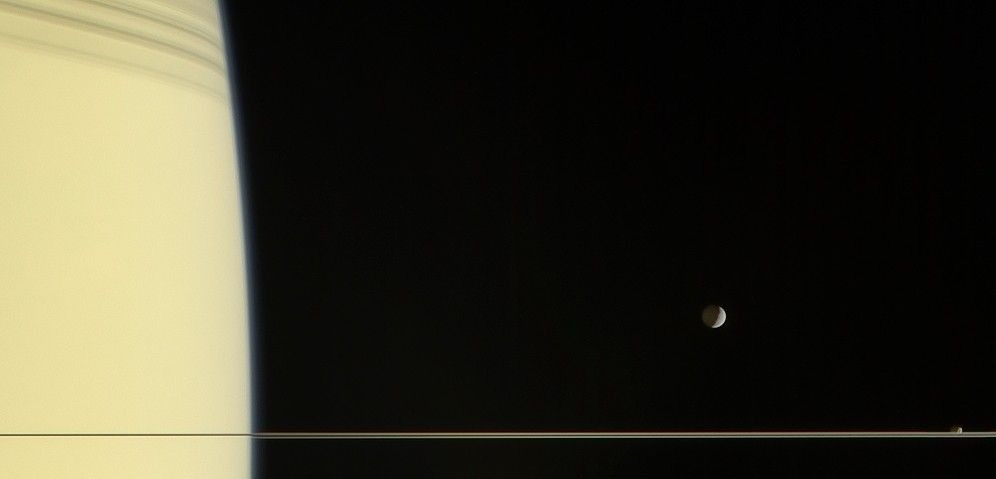
From the fiery proximity of the sun to the frigid orbit of Saturn, our robots have seen vistas we may not witness for many decades. The Artemis astronauts have lit a spark of hope much needed here on Earth and will likely inspire the next generation of space explorers. But eventually, the burdens of our flesh and the cost of years may outweigh the wonder of the frontier. If travel in outer space becomes the exclusive territory of robots; then who of us will be the last?